The Bedding Guide
Silk and Cotton Sheets: What to Consider When Choosing Gingerlily
A good sheet set can change the mood of a bedroom—and the way bedtime feels. If you’re considering Gingerlily sheets, start with the details that matter after the first impression: fiber, weave, warmth, texture, care, and how the set will work with the rest of your bed.
Published November 2, 2026
Sheet shopping has a way of turning a simple bedroom refresh into a surprisingly personal decision. One sleeper wants a cool, crisp surface; another wants a smooth, softly draped feel. Some people happily follow a delicate laundry routine, while others need bedding that can go into the washing machine without much thought. The right choice depends less on a headline thread count and more on how a fabric fits your habits.
That is especially true when comparing silk and cotton. Both are natural fibers, but they behave differently in the hand, on the bed, and in the laundry. When researching Gingerlily sheets, take time to check the details of the particular item you’re considering: fiber content, construction, care instructions, and what is included in the set. A brand name alone cannot tell you how a sheet will feel or whether its upkeep suits your routine.
This guide walks through the questions worth asking before choosing silk or cotton bedding. It also looks at how weave, sleep temperature, layering, and everyday care affect the experience—so the decision feels considered, not like a gamble made at checkout.
Start with the feeling you want at bedtime
Before comparing product descriptions, picture the bed you want to climb into. Is your ideal surface cool and crisp, with a neat, tailored look? Or do you prefer a fluid, smooth hand that seems to glide under your fingers? These impressions are not just marketing language. They often point toward different fibers and weaves, and they can help narrow the field before you start comparing colors and finishes.
Cotton is a familiar choice for a reason: it can be woven into fabrics with a wide range of textures and finishes. Depending on its construction, cotton bedding may feel crisp, matte, smooth, or lustrous. Silk is known for a sleek, supple surface and a characteristic drape. Yet the label “silk” does not answer every practical question. Weight, weave, finishing, and care directions all influence how a specific set behaves.
Think about what you notice most in bed. If you dislike a slippery sensation, a cotton percale may feel more reassuring than silk. If a smooth, elegant surface is the appeal, silk may be worth a closer look. Personal preference matters: neither fiber is automatically better for everyone, and a fabric’s reputation cannot substitute for the feel you enjoy.
Silk sheets: smoothness, drape, and care
Silk’s appeal is immediate. It has a smooth hand and a graceful drape that can lend a bed a polished, quietly luxurious look. For sleepers who enjoy a sleek surface, silk offers a distinctly different experience from the more familiar feel of cotton. Its refined appearance can also make it an appealing choice for a bedroom designed around softer textures and relaxed elegance.
But silk is not a single, uniform experience. The exact product specifications matter. Check the stated fiber content and construction, and look closely at the care label before buying. Some silk bedding may require gentler laundering or more attentive handling than the cotton sheets you already own. If the instructions call for special care, consider honestly whether you are likely to follow them week after week. A beautiful set is less satisfying if its maintenance becomes a source of stress.
It is also worth considering how silk will fit into your existing laundry routine. Do you wash bedding separately? Can you use the recommended temperature and detergent? Do you have a suitable place to dry or store delicate textiles? These unglamorous questions are often the difference between a set that becomes a beloved part of the bed and one that stays folded in the closet.
When browsing Gingerlily sheets, look at the product-specific information rather than assuming every item has identical properties or care requirements. Confirm what the listing says about fiber, finishing, laundering, and included pieces. If any of those points are unclear, seek clarification before making a decision. That simple habit helps set accurate expectations and protects you from relying on general descriptions alone.
Cotton sheets: a versatile everyday choice
Cotton’s greatest strength is its range. A cotton sheet can feel crisp and cool or smooth and silky, depending on its weave and finish. Cotton is also widely used in everyday bedding, which makes it easier to compare options and find a care routine that feels familiar. For many households, that balance of comfort and practicality is a compelling place to begin.
For a crisp, breathable feel, look for percale. Percale is a plain-weave construction that typically gives sheets a matte finish and a fresh, structured hand. It is often a good match for people who prefer bedding that feels cool rather than glossy. By contrast, sateen is generally smoother and more lustrous to the touch. Neither is inherently superior; the choice comes down to the texture and appearance you prefer.
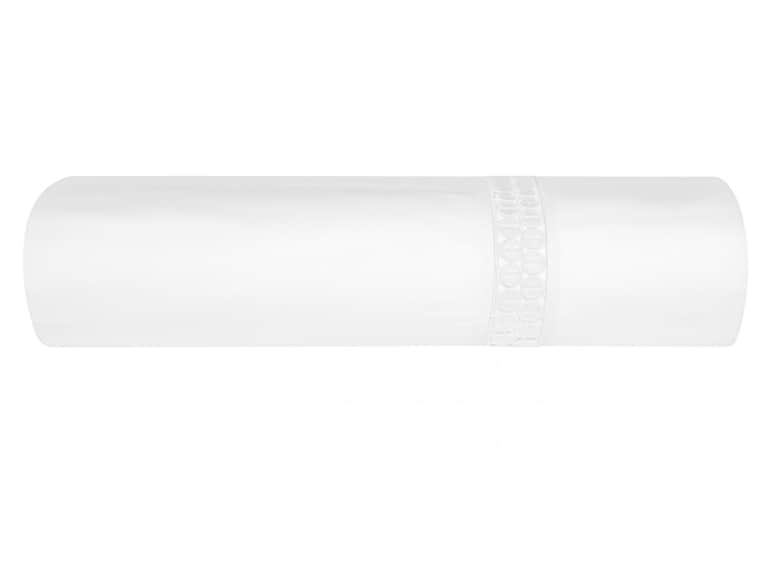
As one example of what a cotton percale sheet description can tell you, the BOVI Magnolia Sheet Set is made from 100% cotton percale with a 200 thread count. Its product details describe a crisp, breathable feel, a matte finish, and a decorative border, with machine-washable care. That makes it a useful reference point for readers comparing a cotton percale option with the smoother character they may be seeking in silk bedding.
When comparing cotton sheets, consider more than the fiber name. Long-staple cotton, for example, refers to the length of the cotton fibers used in the yarn; product descriptions may identify it as a material detail. Weave and finishing also shape the final hand. Look for complete specifications and clear care information, rather than treating one feature as a guarantee of comfort or durability.
Thread count is only one part of the picture
Thread count is easy to spot on a product page, which is why it can seem like the most important number. In reality, it is only one piece of information about a fabric. It describes the number of threads within a defined area of woven material, but it does not tell you everything about fiber quality, yarn, weave, finishing, or the way the sheet will feel in your bedroom.
A higher number does not automatically mean a better night’s sleep. A moderate thread count in a well-made percale may feel crisp and comfortable to someone who dislikes heavy or glossy bedding. A sateen construction may feel smoother and more fluid, even when compared with a percale sheet carrying a different count. For silk, check the product’s own construction and specifications; cotton thread-count comparisons do not provide a complete description of silk bedding.
Use thread count as context, not as a shortcut. Read it alongside the fiber content and weave, then consider the care instructions and the product’s stated finish. If a listing gives only a number and a broad promise of luxury, you still may not know whether the sheet will feel crisp, slick, soft, or structured. The more complete the information, the easier it is to make a confident choice.
Think about temperature and your sleep environment
Comfort is shaped by more than the sheet itself. The room’s temperature, the mattress protector, the duvet, sleepwear, and personal preferences all play a role. A fabric that feels refreshing to one person may feel too cool to another. If you tend to wake warm, you may be drawn to a lighter, breathable feel; if you prefer a more enveloping bed, the way a fabric drapes and layers may matter more.
Cotton percale is often chosen by people who enjoy a crisp, fresh sensation. Cotton sateen and silk offer smoother surfaces, but a smooth hand alone does not determine how warm a complete bed will feel. The duvet and room conditions can make a significant difference. Instead of asking whether a fiber is universally “cooling,” consider the full setup and how you respond to it over a range of nights.
If you are unsure, start with the pieces closest to your skin. Your fitted sheet and pillowcase may have a bigger impact on your immediate impression than a decorative top layer. If you like the idea of silk but are hesitant about committing to an entire set, check whether the brand offers separate pieces, and confirm that they can be paired with your existing bedding. Do not assume all components are sold together.
Check the size, fit, and set contents
A sheet can feel wonderful and still frustrate you if it shifts or does not fit the mattress. Confirm the stated mattress size and, where provided, the pocket depth of a fitted sheet. If you use a thick mattress topper or protector, include those layers when assessing the height the fitted sheet needs to cover. A secure fit helps keep the bed smooth and reduces the need to remake it in the middle of the night.
Set contents deserve the same attention. Some sets include a fitted sheet, a flat sheet, and pillowcases; others may be sold as individual pieces or use different combinations. Pillowcase count and size can matter if you use unusually sized pillows or want a fully coordinated arrangement. Make a short list of what you actually need before ordering, then compare it with the product listing.
Color and design are part of the decision, too. A quiet neutral can give patterned quilts or shams room to shine, while a subtle border can create a finished look without dominating the bed. If you are layering silk with cotton, pay attention to how the fabrics look together as well as how they feel. Contrasting matte and sheen can be elegant, but the overall palette should still feel restful to you.
Care instructions are part of the purchase
It is tempting to think about laundry only after the sheets arrive. A better approach is to treat care as one of the main buying criteria. Read the label or product instructions before purchasing and check the recommended water temperature, detergent, drying method, and whether separate washing is advised. Follow the directions for the particular item; different fabrics and finishes can have different needs.
For cotton, machine-washable care can be convenient, but you should still follow the temperature and drying guidance provided. Avoid assuming that every cotton sheet can be treated the same way. Gentle handling, appropriate detergent, and prompt removal from the dryer may help keep bedding looking neat. If ironing is allowed, use the temperature stated on the care label rather than guessing.
For silk, pay special attention to any instructions about handwashing, machine settings, drying, or professional care. Avoid improvised treatments when you are unsure: a well-intentioned wash can cause disappointment if it conflicts with the maker’s directions. If a delicate routine does not fit your life, that is useful information, not a reason to feel you are choosing the “wrong” fabric. Practical comfort includes how easy it is to care for your bedding.
It may help to own more than one set, especially if you prefer to let sheets rest between uses or want a backup during laundry day. A rotation can make the care routine easier and reduce the pressure to wash a delicate set immediately. Store clean bedding in a dry, well-ventilated place, and make sure it is completely dry before putting it away.
Layering silk and cotton without overthinking it
There is no rule that says every layer on the bed must be made from the same fiber. You can mix materials to create a combination that suits your comfort and style. For example, some people may prefer a cotton fitted sheet for a crisp foundation and choose a smoother material for a top layer or pillowcase. Others may choose one fiber throughout for a consistent feel.
Think about which surfaces touch your skin most, and build from there. A fitted sheet has to stay put; a flat sheet is often the layer you notice as you settle in; pillowcases frame the face and can influence the feel of the bed immediately. Shams and decorative layers add polish, but they do not need to determine the practical choices underneath.
When mixing finishes, keep the look intentional. A matte cotton percale can balance a lustrous accent, while simple colors can help different textures sit comfortably together. Consider how the bed will look in daylight and at night, and leave enough breathing room for the pattern, border, or texture you love. The most inviting bedroom is not necessarily the one with the most layers; it is the one that feels settled and personal.
A quick checklist for choosing Gingerlily sheets
Before deciding, pause over the practical details. A few minutes with the product description can prevent a mismatch between the sheet you imagine and the one that arrives.
- Fiber: Confirm the stated material for the exact item, rather than relying on a general brand description.
- Construction: Look for information about weave, finish, and any details that explain whether the fabric is crisp, smooth, matte, or lustrous.
- Care: Make sure the laundry instructions fit your regular routine and that you are comfortable following any special requirements.
- Fit: Check the mattress size and fitted-sheet depth, especially if you use a topper or a substantial protector.
- Set contents: Verify which pieces are included and whether you need to buy pillowcases or other items separately.
- Sleep preference: Decide whether you want a fresh, structured feel or a smoother, more fluid surface.
- Layering: Consider how the sheets will work with your duvet cover, shams, mattress protector, and existing bedding.
The best choice is the one that suits your real life
Silk and cotton offer different pleasures. Silk brings a sleek surface and graceful drape; cotton spans a broad range of textures, from crisp percale to smooth sateen. Either can make a bed feel considered, but neither is the perfect choice for every sleeper. The deciding details are personal: how you like a sheet to feel, how warm you tend to sleep, and how much care you are willing to give it.
For Gingerlily sheets, let the specifications for the particular set guide you. Confirm the fiber and construction, read the care directions, and check sizes and included pieces. Then compare those facts with your preferences rather than relying on thread count, a luxurious-sounding description, or assumptions about a whole category of fabric.
When you find that balance, the result is more than an attractive bed. It is a bedroom that feels easy to return to at the end of the day: comfortable, well-layered, and suited to the way you actually live. That is the quiet luxury worth looking for in any sheet set.